Mold Removal in Pembroke Pines, FL
The bottom of the bedroom closet wall went soft after the water heater in the garage leaked, and now there is fuzzy growth along the baseboard about the size of a doormat. You need it gone, and you need to know how much of the wall goes with it. This site connects you by phone with an independent local provider who does mold removal in Pembroke Pines and across Broward County.
What the crew does first
Before anything comes out, the crew confirms the scope. In Florida that scope usually comes from a separate assessor's report, and the remediator works from it. They read the wall with a moisture meter and mark where the damp ends.
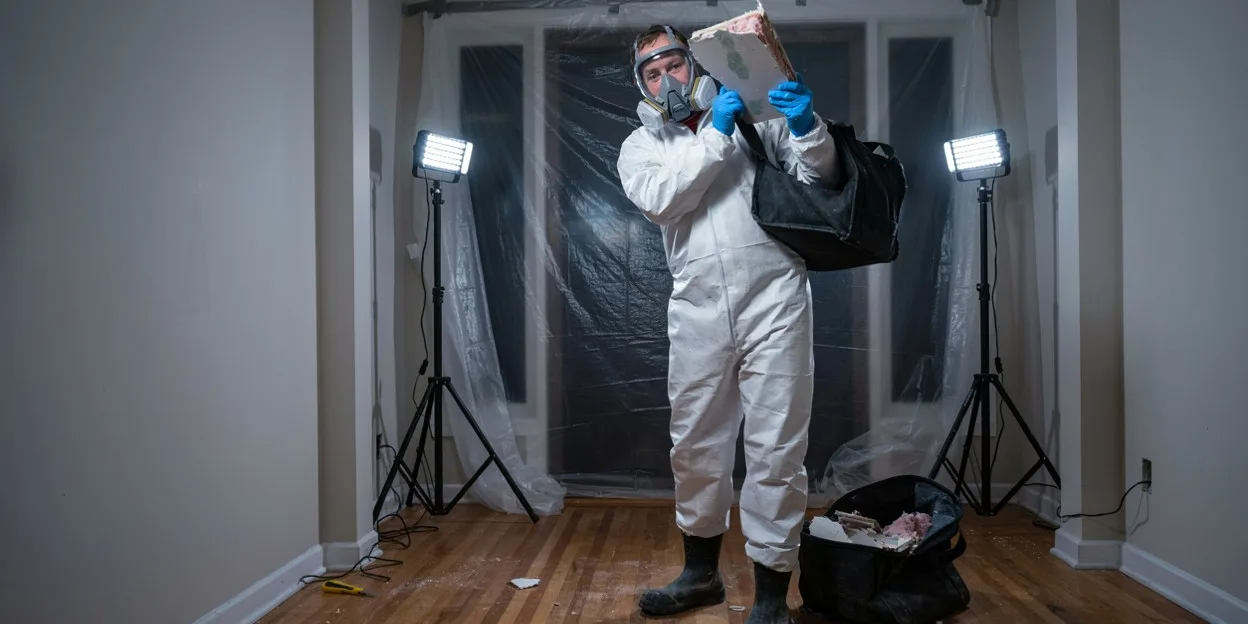
Then they build containment. Plastic sheeting seals the doorway, and an air scrubber with a HEPA filter runs inside the zone. The scrubber is set up as negative air, pulling air from the room and pushing it outside so dust does not drift into the rest of the house. Supply and return vents in the room get covered.
What to do in the next hour
Do not tear out the drywall yourself. Pulling a moldy board with no containment sends dust through the house. Close the door, keep pets and kids out, and set the thermostat fan to auto instead of on so the system is not pulling air from that room all day.
Do not spray bleach on the wall. It wets the paper and does not fix anything. Find the water instead. If the source is still leaking, shut the valve or the water heater supply. Take photos of the growth and the source before anyone touches it.
What is usually saved and what is removed
Porous materials that got wet and grew mold come out: drywall, baseboard, insulation, carpet pad, and the paper facing on some cabinets. The crew cuts drywall a set distance past the visible growth and bags it inside the containment. Block walls, concrete slabs, metal studs, and tile can usually be cleaned and dried in place.
After removal, they HEPA vacuum and wipe every surface in the zone, then run drying equipment until the slab and block read dry. Fixing the moisture source is part of the job, whether that takes a plumber, a roofer, or an AC tech. If the growth started in the attic or the air handler, see attic mold remediation or HVAC mold cleaning.
Broward County notes: licensing, humidity, and rebuilds
Florida licenses mold remediators and mold assessors separately under Chapter 468, Part XVI. For work larger than about 10 square feet, the company that assessed your home may not remediate it within 12 months. Look up the remediator's license at myfloridalicense.com and ask for a written scope.
Most homes in Pembroke Pines, Miramar, and Weston are concrete block on a slab. Block does not rot, but it holds water and gives it back slowly, so drying takes longer than people expect in summer. Between June and November, storm water gets pushed in under doors and through soffits. The June 2024 rains dropped well over a foot of water on parts of southern Broward, and much of it came in through walls that had never leaked before.
Many Florida policies limit mold coverage to around $10,000 unless an endorsement adds more. Ask your adjuster before the work starts. When drywall goes back in, the rebuild often calls for a building permit from the City of Pembroke Pines, or from Broward County in unincorporated areas. The contractor who rebuilds should pull it. A post-remediation verification by a separate assessor is worth asking about before the wall is closed.
Calling about mold removal
Have the address, the rough size of the visible growth, and the source if you know it. Say whether you already have an assessor's report and whether the leak is stopped. Call (000) 000-0000.