Mold Removal in Pembroke Pines, FL
West of I-75, Pembroke Pines is mostly concrete block homes that went up in the 1990s in planned communities like Chapel Trail and SilverLakes. Those houses share a layout: tile roof, attic full of duct work, and an air handler in a closet or the garage. When a duct sweats or a drain line clogs, water shows up on a ceiling long before anyone thinks to look up.
The city still remembers October 24, 2005. Hurricane Wilma pushed gusts of up to 114 miles per hour through Pembroke Pines, and roof damage from that day left many attics wet for weeks. Some of the stains people find today trace back to repairs that closed the roof but never dried the insulation underneath.
This site puts Pembroke Pines homeowners on the phone with an independent local mold provider. The provider looks at the house and explains what it needs. No work is done through the site itself.
Common calls from Pembroke Pines
A musty smell that gets stronger when the air conditioning kicks on often leads to HVAC mold cleaning, since the air handler and ducts sit in the warmest part of the house. Ceiling stains under a tile roof turn into attic mold remediation when the insulation has been damp for a while. When a homeowner wants to know how far the growth reaches before anyone opens a wall, a mold inspection comes first.
City water and city permits
Pembroke Pines runs its own water and sewer utility. The Utilities Department draws from the Biscayne Aquifer and treats it at the plant on the east side of the city, so a leak inside the house is on the homeowner's side of the meter and is the homeowner's call to make.
If remediation ends with new drywall or a roof repair, the Building Department handles the permit through its online Development Hub. The city keeps permit records searchable back to 1988, which is a useful way to see what past owners did after a storm.
Call (000) 000-0000 to be connected with a local mold provider serving Pembroke Pines.
Services Available in Pembroke Pines
Mold Inspection
A visual inspection with moisture readings to find the source, the extent, and whether testing is needed.
Mold Removal
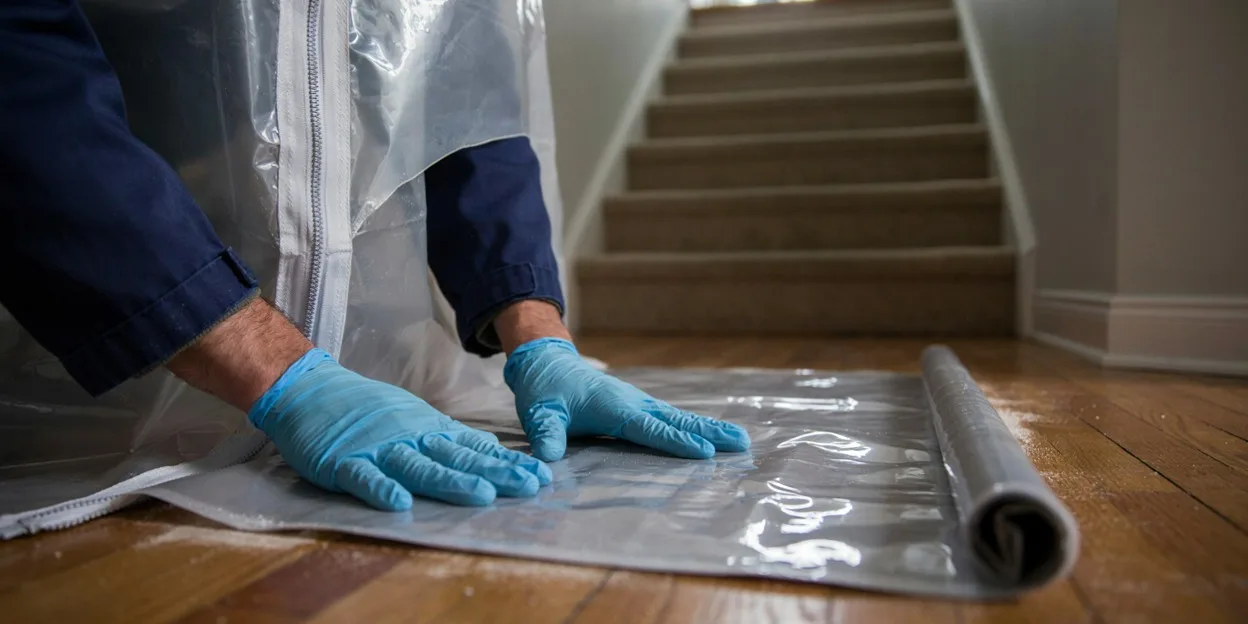
Containment, negative air, HEPA filtration, and removal of affected drywall, trim, and insulation, then cleaning and drying.
Mold Testing and Air Sampling
Air and surface samples sent to a lab, done by a licensed Florida mold assessor separate from the remediator.
HVAC Mold Cleaning
Air handler, coil, and duct cleaning when the smell shows up every time the air conditioning runs.
Attic Mold Remediation
Roof-deck and truss mold from roof leaks, blocked soffits, or ducts sweating in a hot attic.
Bathroom Mold Removal
Mold in drywall, ceilings, grout, and behind vanities from steam and slow leaks, the most common first call.
Post-Remediation Verification
Clearance testing after the work by a separate assessor, so you have paperwork for a sale, a tenant, or an insurer.
Black Mold Removal
Heavier dark growth handled with full containment and protective gear. Color does not identify the species, and the process does not change.