Mold Removal in Cooper City, FL
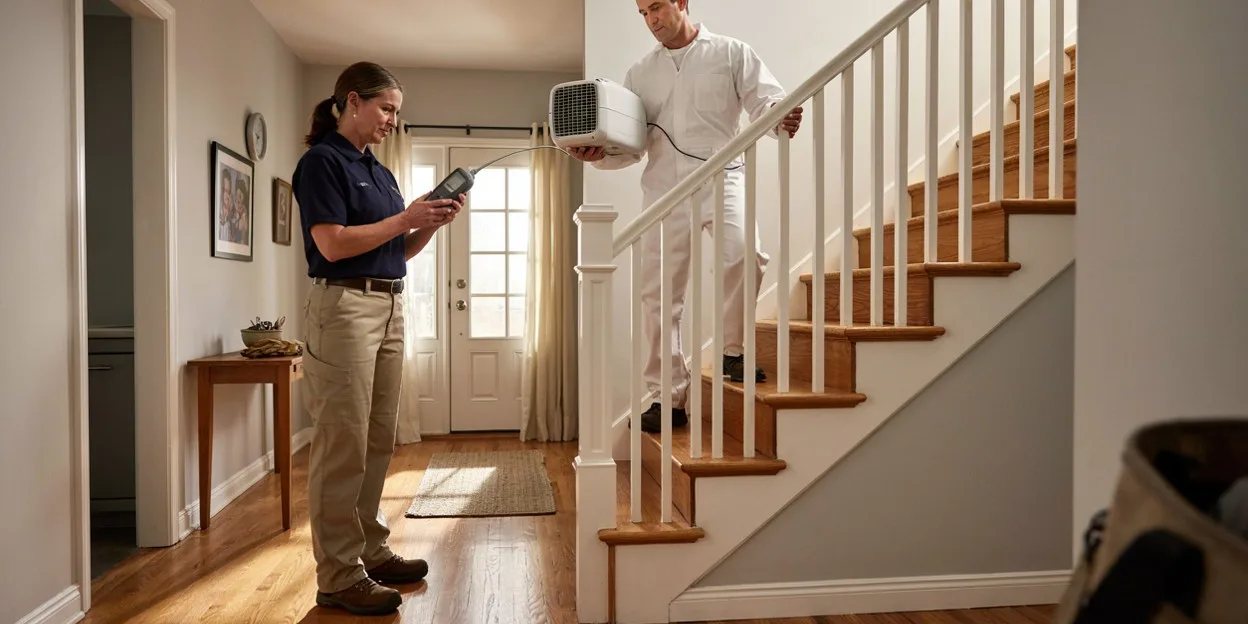
Rock Creek was the first planned unit development in Cooper City, started in 1979 and built out through the 1980s across sixteen subdivisions. Embassy Lakes followed in 1990. Together they set the pattern for the city's housing, so a Cooper City home is often a block house that is now thirty to forty-five years old and on its second or third roof.
Homes of that age share a few weak points: the original drain lines under the slab, window frames that have lost their seal, and roofs that have been patched more than once. Each one lets moisture into a wall or ceiling where nobody sees it until the stain appears.
Cooper City homeowners who call this site are handed off to an independent local mold provider. The provider inspects, explains, and quotes the work. The site does not do any of it.
The jobs Cooper City callers describe
A leak that ran for a while behind a shower wall is the usual reason for bathroom mold removal in these 1980s homes. When a wall has to be opened, mold removal with containment keeps the dust in one room. After the work, some owners ask for post-remediation verification from a separate party before the drywall goes back up.
Water, permits, and a recent reminder
Cooper City treats its own water at the George A. Haughney plant on SW 49th Street, using membrane softening on Biscayne Aquifer wells. In April 2024 an electrical problem at the plant dropped pressure across the city and triggered a boil water notice, a reminder that the Utilities Department is the number to have when water acts strangely.
The Building Division issues permits for drywall, plumbing, and roof repairs that follow remediation. Fees are due when the application is filed, and each revision needs a fresh application.
Call (000) 000-0000 to be connected with a local mold provider serving Cooper City.
Services Available in Cooper City
Mold Inspection
A visual inspection with moisture readings to find the source, the extent, and whether testing is needed.
Mold Removal
Containment, negative air, HEPA filtration, and removal of affected drywall, trim, and insulation, then cleaning and drying.
Mold Testing and Air Sampling
Air and surface samples sent to a lab, done by a licensed Florida mold assessor separate from the remediator.
HVAC Mold Cleaning
Air handler, coil, and duct cleaning when the smell shows up every time the air conditioning runs.
Attic Mold Remediation
Roof-deck and truss mold from roof leaks, blocked soffits, or ducts sweating in a hot attic.
Bathroom Mold Removal
Mold in drywall, ceilings, grout, and behind vanities from steam and slow leaks, the most common first call.
Post-Remediation Verification
Clearance testing after the work by a separate assessor, so you have paperwork for a sale, a tenant, or an insurer.
Black Mold Removal
Heavier dark growth handled with full containment and protective gear. Color does not identify the species, and the process does not change.