Mold Removal in Coral Springs, FL
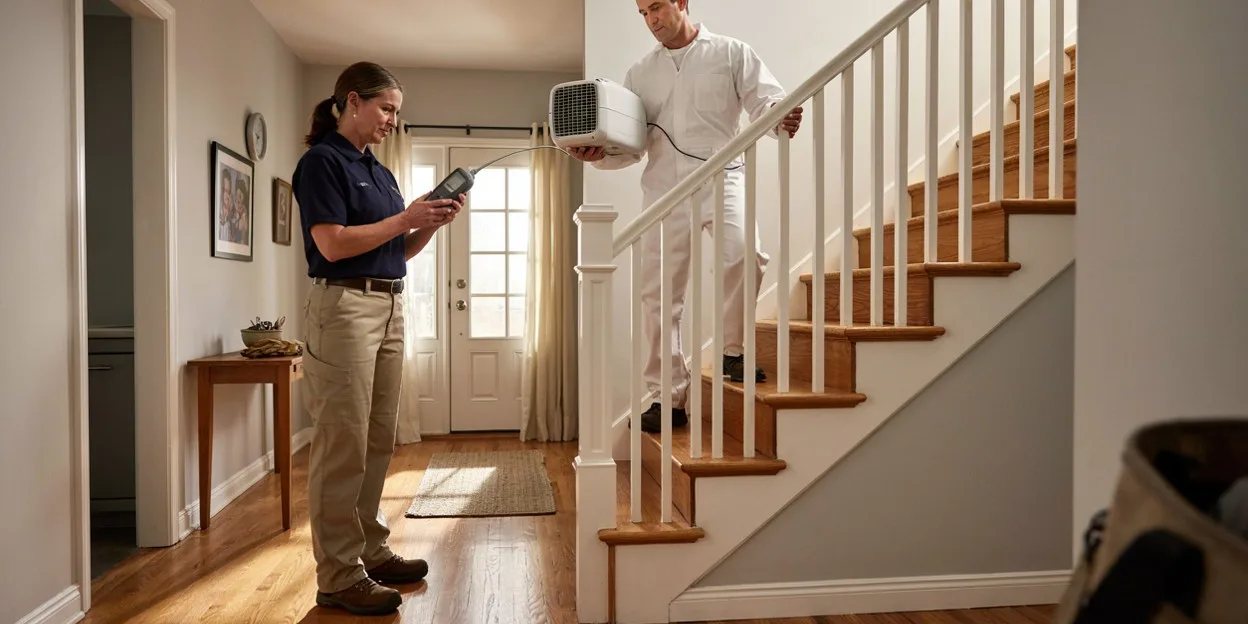
Most of Coral Springs went up in the 1980s and 1990s as concrete block homes with tile roofs and a canal behind the yard, from Ramblewood East to the newer sections. Block walls do not rot, but the drywall furred against them does, and the attic above a tile roof holds the air handler and the ducts in the hottest air in the house. A cracked tile or a failed underlayment sends water into that attic first.
The canals are managed by the Coral Springs Improvement District and other drainage districts, and they keep the streets clear in a normal summer storm. Hurricane Wilma in October 2005 was not a normal storm. Roofs across Coral Springs lost tiles and underlayment, and ceilings stayed wet while the power was out.
A call to this site connects a Coral Springs homeowner with an independent mold provider working in the area. The provider inspects and quotes; this site never touches the work.
What Coral Springs owners call about
Stains on a bedroom ceiling after a roof leak lead to attic mold remediation, where the insulation and the underside of the deck get checked, not just the drywall below. A mold inspection makes sense when there is a smell but nothing to see, since block homes hide moisture behind furring strips. Once the source is found, mold removal takes out the affected drywall and cleans the block behind it.
Permits, water, and canal drainage
Roof repairs and plumbing changes need a permit from the City of Coral Springs Building Department at 9500 West Sample Road. Ask the provider whether the rebuild phase is theirs or a separate contractor's, because the permit goes with whoever does the reconstruction.
Water and drainage depend on the address. The city's own water utility serves much of Coral Springs, while the Coral Springs Improvement District serves other sections and issues permits for work near its canals and easements. If a canal bank behind the house is washing out toward the slab, that is a district question before it is a mold question.
Call (000) 000-0000 to be connected with a local mold provider serving Coral Springs.
Services Available in Coral Springs
Mold Inspection
A visual inspection with moisture readings to find the source, the extent, and whether testing is needed.
Mold Removal
Containment, negative air, HEPA filtration, and removal of affected drywall, trim, and insulation, then cleaning and drying.
Mold Testing and Air Sampling
Air and surface samples sent to a lab, done by a licensed Florida mold assessor separate from the remediator.
HVAC Mold Cleaning
Air handler, coil, and duct cleaning when the smell shows up every time the air conditioning runs.
Attic Mold Remediation
Roof-deck and truss mold from roof leaks, blocked soffits, or ducts sweating in a hot attic.
Bathroom Mold Removal
Mold in drywall, ceilings, grout, and behind vanities from steam and slow leaks, the most common first call.
Post-Remediation Verification
Clearance testing after the work by a separate assessor, so you have paperwork for a sale, a tenant, or an insurer.
Black Mold Removal
Heavier dark growth handled with full containment and protective gear. Color does not identify the species, and the process does not change.