Mold Inspection in Pembroke Pines, FL
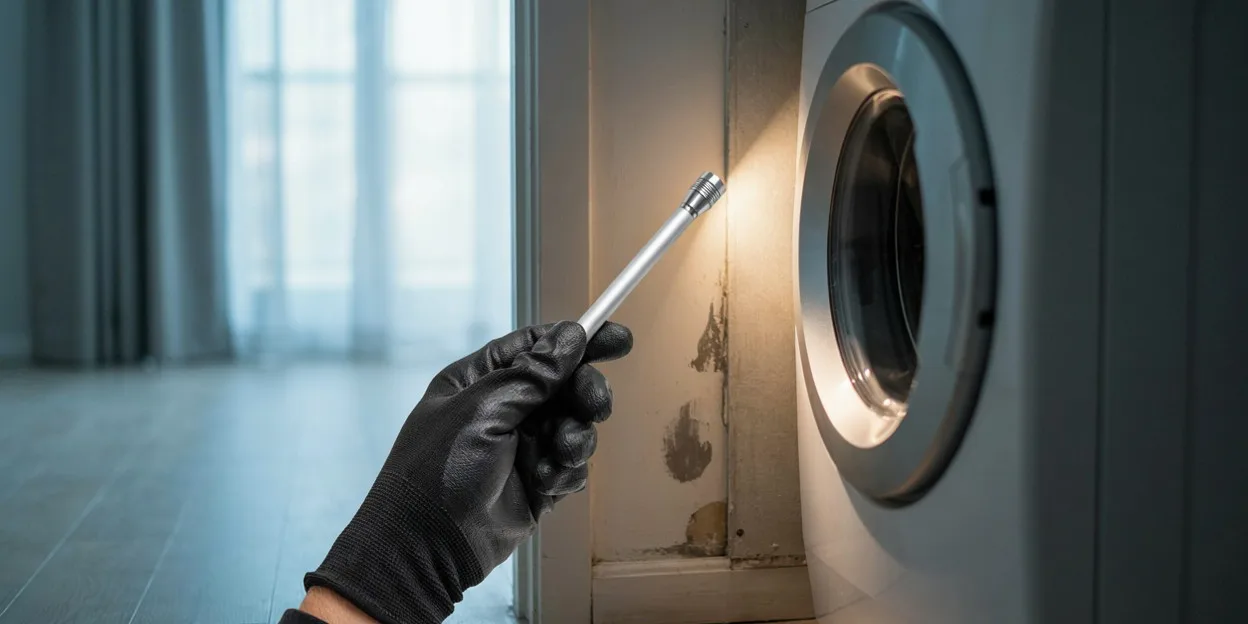
There is a musty smell in the hallway that gets stronger when the air conditioner runs, and a gray shadow on the wall behind the dresser that you wiped off once already. You are not sure if it is a stain or something growing. This site connects you by phone with an independent local provider who does mold inspections in Pembroke Pines and the rest of Broward County.
What the crew does first
The inspector starts by asking about water. Past roof leaks, a water heater that let go, a shower that drips, or a storm that pushed rain under a door all matter. Then they walk the house and look at the places where mold shows up in South Florida homes: the air handler closet, under sinks, closet walls that share a wall with the garage, and window sills.
A moisture meter tells them whether the wall behind a stain is still damp. A thermal camera can show a cool wet patch under the paint. The point is to connect the growth to a moisture source and to mark how far the problem reaches. The inspector writes that down as a scope, which is what a remediation crew works from later.
What to do in the next hour
Leave the spot alone. Do not scrub it, and do not spray bleach on drywall. Bleach mostly wets the paper face and does not reach growth inside the board. Close the door to that room if you can, and turn off any portable fan that is blowing across it.
Look for the water. Check under the nearest sink, at the base of the toilet, along the ceiling for a drip line, and at the AC drain line outside. Write down what you find and when you first noticed the smell. Those notes save time on the call.
What is usually saved and what is removed
An inspection removes nothing. It tells you where the moisture is, which materials are wet, and roughly how large the affected area is. Hard surfaces such as tile, block, and metal can usually be cleaned. Wet drywall, baseboard, and insulation usually come out.
If the affected area is small and on a hard surface, the inspector may tell you that you can handle it yourself. If it is larger or hidden inside a wall, the next step is mold removal. If you need lab results for a sale or a dispute, ask about mold testing and air sampling.
Broward County notes: assessors and remediators
Florida licenses mold assessors and mold remediators separately under Chapter 468, Part XVI of the Florida Statutes. Once the affected area is more than 10 square feet, the company that inspects your home may not also remediate it within 12 months, and the reverse is true too. You can look up either license at myfloridalicense.com. Providers represent their own licensing, so check it before you hire.
Broward's humidity is the reason inspections here start with the air conditioner. A unit that is too large for the house cools fast and shuts off before it pulls moisture out of the air. A clogged condensate line backs water up into the closet. In a condo or an HOA community, the association is often responsible for shared walls, roofs, and exterior stucco, while the unit interior is yours. Read your documents before anyone opens a wall.
Many Florida policies limit mold coverage to around $10,000 unless an endorsement adds more. Read your declarations page and keep the inspection report for your adjuster.
Calling about a mold inspection
Have the address, the age of the home, and a short list of any leaks or storm water in the last few years. Say where the smell or the stain is and whether the AC seems tied to it. Call (000) 000-0000.