Mold Testing and Air Sampling in Pembroke Pines, FL
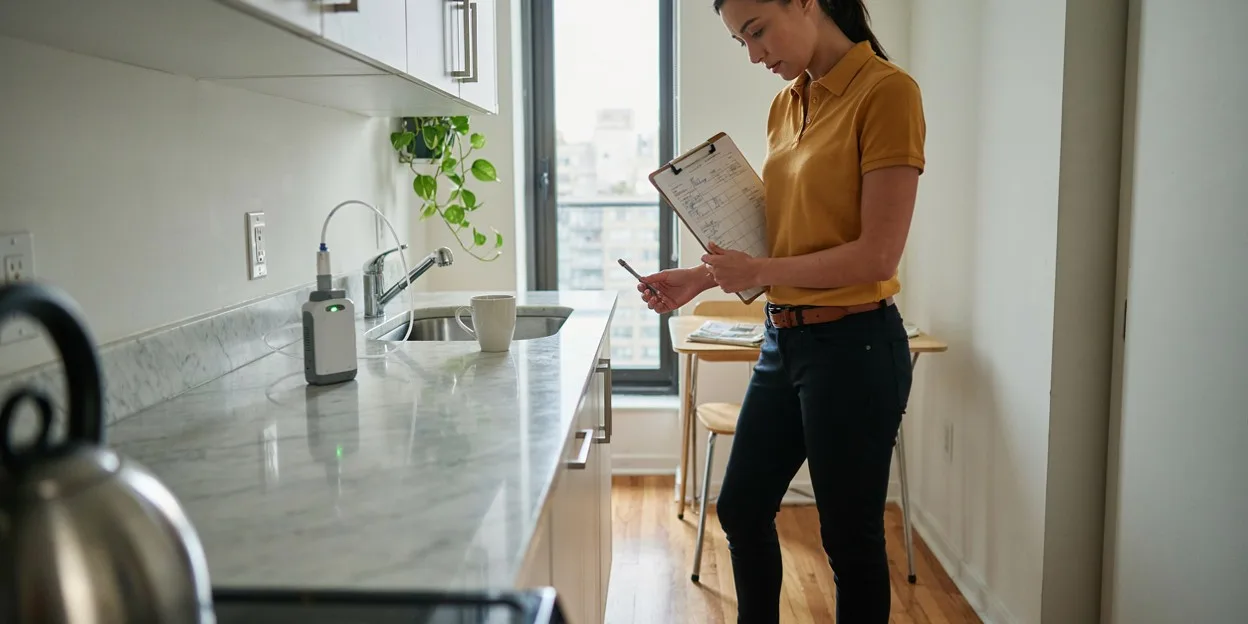
You are selling the house, and the buyer's inspector wrote "possible microbial growth" on the report. Or a tenant says the air is making them feel sick, and nobody agrees on what is there. This site connects you by phone with an independent local provider who does mold testing and air sampling in Pembroke Pines and Broward County.
What the crew does first
A good assessor asks what question the test needs to answer. Testing is useful when growth is hidden and you need to know if a wall should be opened, when two parties disagree, or when a sale, a lease, or a claim needs a lab report. Testing is not useful for confirming that a visible patch is mold. You can see that it is, and the removal process does not change.
The assessor inspects first, with a moisture meter and a flashlight, then decides what to sample. Air samples are pulled through a cassette for a set number of minutes inside and outside, because the outdoor air in Broward is the baseline. Surface samples are tape lifts or swabs from a suspect spot. Everything goes to a lab and comes back as a written report.
What to do in the next hour
Do not clean anything before the assessor arrives. Do not spray bleach, run a fogger, or turn on a rented ozone machine. Any of those changes what the sample shows. Close the door to the room in question and leave the AC on its normal setting.
Write down the history. When did the leak happen, when did the smell start, and who has already looked at it. If a buyer or a tenant is involved, ask them what they need the report for. That tells the assessor what kind of sampling makes sense.
What is usually saved and what is removed
Testing removes nothing. It gives you spore counts and a species list to compare against the outdoor sample. What the report means depends on the building, the moisture readings, and what the assessor saw, not on one number alone. A report cannot prove a home is safe, and it cannot prove a home has no mold. It can tell you whether the air inside looks different from the air outside and whether a hidden wall deserves a closer look.
If the numbers point to hidden growth, the next step is a scope and mold removal. If you mainly want to know where the moisture is, a mold inspection without sampling may answer the question.
Broward County notes: who can test
In Florida, mold assessment is a licensed activity under Chapter 468, Part XVI when the area is more than 10 square feet, and the assessor is licensed separately from the remediator. The company that tests your home may not remediate it within 12 months, which is the point. It keeps the person selling you a removal job from also being the one who says you need it. Check the assessor's license at myfloridalicense.com.
Summer dew points in Broward stay high for months, so indoor air here carries more spores than a reader from a dry state expects. That is why the outdoor sample matters. In a condo, ask the association before sampling shared spaces such as hallways or the mechanical room. Many Florida policies limit mold coverage to around $10,000 unless an endorsement adds more, and some adjusters want a lab report before they pay anything. Ask first.
Calling about mold testing
Have the address and say what the report is for: a sale, a tenant, a claim, or your own peace of mind. Mention any visible growth and any leaks. Call (000) 000-0000.